Is Your Coffee Machine Secretly Killing Your Profit Margins?

Most café owners track the obvious costs.
- Rent.
- Staff salaries.
- Coffee beans.
But there’s one cost that quietly eats into your profits every single day — and most people don’t even notice it.
- Your coffee machine.
- Not the price you paid for it.
- But how it performs… every single shot.
It usually starts small.
One morning, a shot runs too fast. The next one tastes slightly bitter. The crema looks thinner than usual. Nothing serious — just “a bit off.”
So the barista adjusts the grinder. Pulls another shot. Then another.
No one counts how many grams of coffee were just wasted.
Because it feels normal.
Then comes the bigger problem.
Inconsistency.
One day your latte tastes smooth and balanced.
The next day it’s slightly burnt.
Another day it feels weak.
Customers won’t always complain.
But they remember.
And when they can’t rely on your coffee being the same, they slowly stop coming back.
That’s not just a coffee issue.
That’s lost revenue.

And then… the breakdowns.
A machine that struggles with temperature stability or pressure will eventually need more servicing.
Unexpected downtime during business hours means:
- No coffee sales
- Slower service
- Frustrated customers
Emergency repairs are always more expensive than prevention.
So What’s the Real Solution?
At some point, many café owners realise:
The problem is not the beans.
Not the barista.
It’s the system.
This is where more operators in Malaysia are moving toward fully automated solutions like Franke.
Not to replace quality —
but to protect consistency.
How Franke Fully Automatic Machines Change the Game
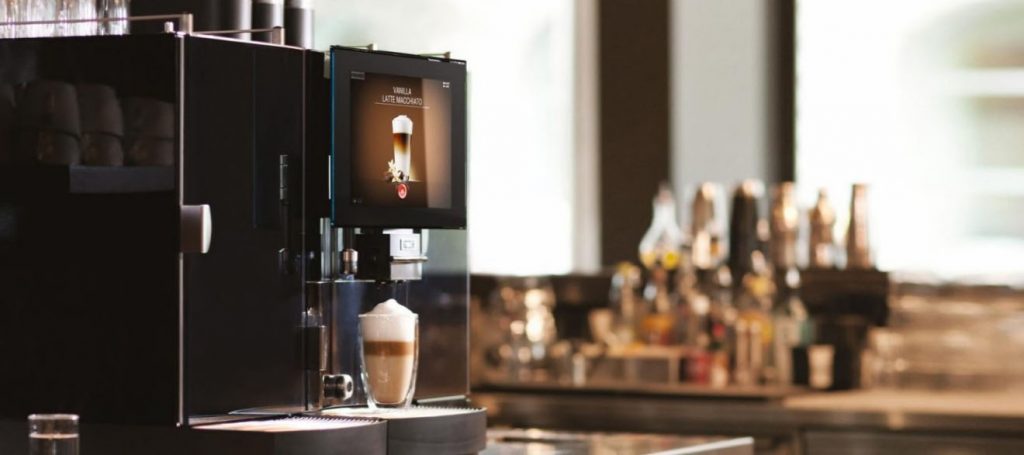
A fully automatic system removes guesswork.
Instead of relying on:
- Manual extraction
- Inconsistent tamping
- Variable timing
The machine controls:
- Grind size
- Extraction time
- Water temperature
- Milk texture
Every cup follows the same programmed parameters.
Which means:
The first cup of the day and the 200th cup taste the same.
Real Results Seen in Cafés & F&B Outlets
From actual operator feedback in Malaysia:
One café replaced their semi-automatic setup with a Franke system and noticed:
Their daily coffee wastage dropped significantly because staff no longer needed multiple test shots. What used to be constant adjustment became a one-touch process.
Another operator running a high-traffic outlet shared that service speed improved during peak hours. Drinks were prepared faster, queues moved quicker, and staff stress was noticeably reduced.
In a bakery environment without trained baristas, the owner found that even new staff could produce consistent drinks from day one. Customers stopped complaining about taste differences, and repeat orders increased.
What This Means for Your Profit Margin
When your machine becomes consistent:
- You waste less coffee.
- You remake fewer drinks.
- You serve faster.
- You retain more customers.
All of these directly improve your bottom line.
And most importantly:
Your business becomes less dependent on individual staff skill.
A Different Way to Think About Your Machine
Instead of asking:
“How much does this machine cost?”
The better question is:
“How much is my current machine costing me every month?”
Because the right system doesn’t just make coffee.
It protects your profit.
Conclusion
Your coffee machine is not just equipment.
It is your main revenue generator.
If it’s inconsistent, unstable, or difficult to manage, it quietly drains your business every day.
But when your system is stable, consistent, and efficient — everything improves.
That’s when you’re no longer just serving coffee.
You’re running a profitable operation.
FAQ
Can a fully automatic coffee machine really improve profit margins?
Yes. It reduces coffee wastage, improves speed, ensures consistency, and lowers dependency on skilled baristas.
Is a fully automatic machine suitable for cafés?
Yes, especially for high-volume cafés, restaurants, bakeries, and businesses with limited skilled staff.
Will customers notice the difference?
Customers may not notice the machine, but they will notice consistent taste and faster service.
Does it reduce staff training time?
Yes. New staff can operate the machine with minimal training compared to manual espresso machines.
Is maintenance easier?
Fully automatic machines are designed for easier cleaning and maintenance, reducing downtime.